
Hayfield Lane Primary School
Parent Guide to Tutors
A Parent’s Guide to Choosing a Safe Tutor or Coach
Tutors, coaches, and instructors can play an important and positive role in a child’s life. They can help children build confidence, develop new skills, and support their learning and wellbeing. Over time, tutors may become trusted adults for children, which is why it is essential that parents and carers take steps to ensure any arrangement is safe, appropriate, and well managed. As many tutoring arrangements are private, the responsibility for ensuring your child’s safety sits with you.
Choosing the Right Tutor
When selecting a tutor, it is important to take time to check their background, experience, and suitability. You should ask to see proof of identity, qualifications, and references from previous work. You may want to ask if it is possible to speak to a current client of the tutor to get a review of their work. It is also good practice to ask about a Disclosure and Barring Service (DBS) check, understanding that not all tutors will be eligible for the same level of check. Do not rely solely on online reviews or recommendations, as anyone can create a professional-looking profile. Carrying out your own checks will help you feel confident that the person you are inviting to work with your child is safe and appropriate. Research the tutor as much as you can before making a decision. At present, there is no recognised professional body with responsibility for the regulation, oversight, or governance of tutors and their professional practice.

Creating a Safe Environment
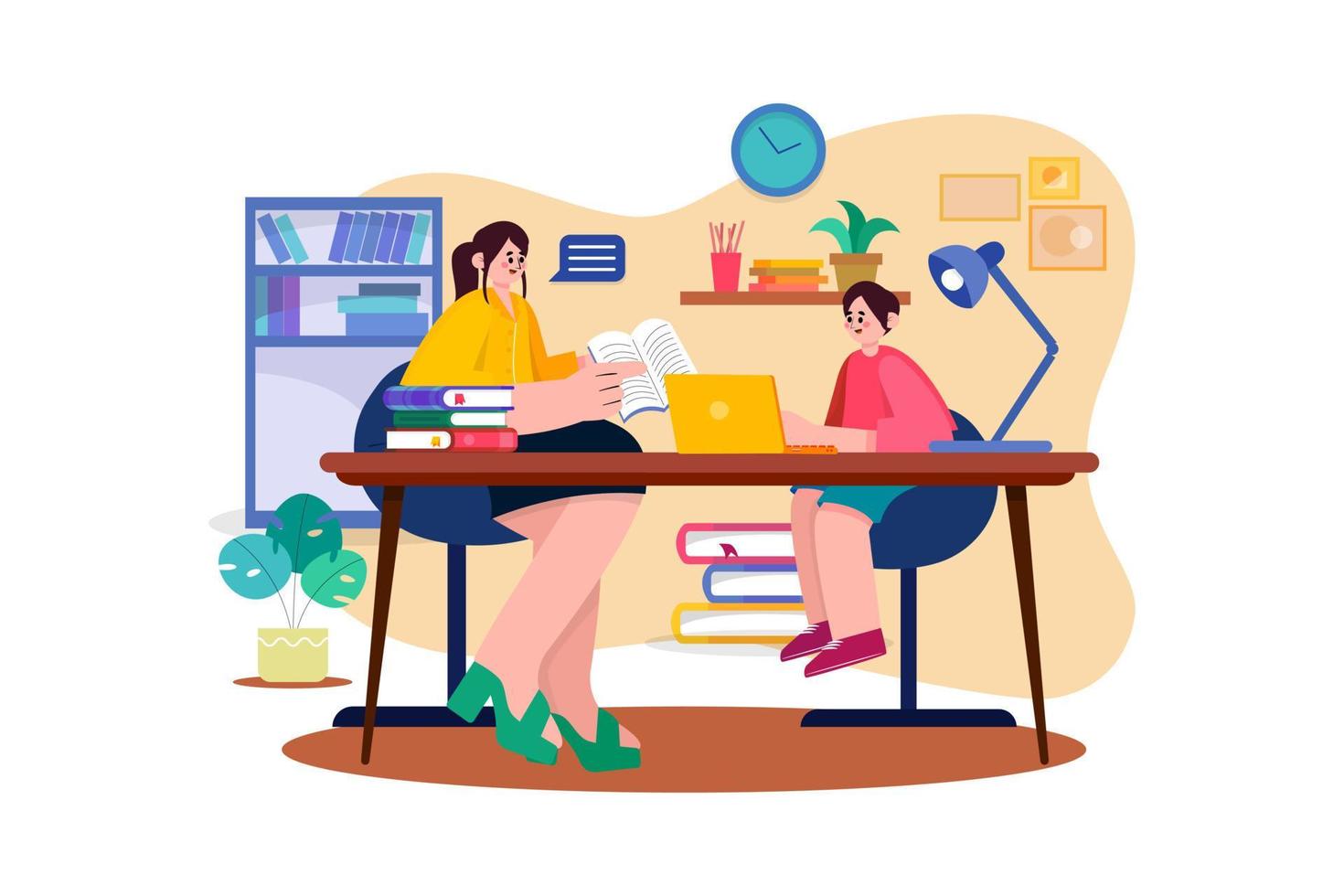
Where and how tutoring takes place is an important part of safeguarding. Sessions should be held in a suitable, visible space, such as a communal area in your home, rather than a bedroom or isolated space. You should feel comfortable being able to enter the room, observe sessions, or listen in where appropriate. This helps to create a safe and transparent environment for both your child and the tutor. If sessions take place in the tutor’s home or another location, you should ensure you are able to access the space and understand who else may be present.

Online Tutoring Safety
If tutoring takes place online, there are additional steps you should take to keep your child safe. Sessions should always be arranged directly with you, not through your child, and should take place using secure and appropriate platforms. You may wish to use parental controls, check privacy settings, and ensure that screen sharing is limited to learning materials. It is advisable to be present during early sessions and carry out regular checks as your child becomes more familiar with the tutor. Sessions should not be recorded without your consent. You as a parent should be able to sit in the room and listen to the lesson being taught.

Professional Boundaries
It is important that tutors always maintain clear and appropriate professional boundaries. A tutor should behave in a similar way to a teacher, maintaining a professional relationship with your child. They should not contact your child directly, ask for personal contact details, communicate through social media, or arrange to meet your child without your knowledge and permission. They should never ask your child to keep secrets. Clear boundaries help to protect both children and adults and prevent misunderstandings.
Supporting Your Child
As a parent or carer, you play a key role in supporting your child throughout the tutoring process. Regularly talk to your child about their sessions, what they are learning, and how they feel. Encourage them to share anything that makes them feel uncomfortable, worried, or unsure. Children should know that they can always speak to you or another trusted adult if something doesn’t feel right. Being open and maintaining communication helps to build confidence and ensures your child feels safe.
If You Have Concerns
If you have any concerns about a tutor’s behaviour, it is important to take them seriously. You may wish to raise the issue directly with the tutor in the first instance. If they are part of an organisation, agency, or community group, you should contact the Designated Safeguarding Lead (DSL) for that company or agency. If you believe your child may be at risk of harm, you should seek advice from Children’s Social care, the LADO for your area and/or the Police on 101. The LADO is the local authority designated officer, they are responsible for overseeing allegations where and adult may have harmed a child, possibly committed a criminal offence against a child, or behaved in a way that indicates they may pose a risk to children. The LADO provide advice to employers, organisations and agencies. They also coordinate a response with key agencies such as the Police, Children’s social care, employers ensuring that cases are dealt with quickly and fairly. Choosing a tutor is not just about finding the right skills or qualifications—it is about ensuring your child is safe, respected, and supported at all times. By taking a careful and informed approach, you can help create a positive and secure learning experience for your child.
South Yorkshire Police - 101
Doncaster Children’s services – 01302 734100
Doncaster Lado – 01302 737777
DBS - 03000200190